Applied Mycorrhizal Ecology
About
Mycorrhizal fungi are critical components of forest and farm production systems. Yet, hidden in the soil they remain enigmatic.
I have over a decade experience working on mycorrhizal fungi and their biology, agricultural land use, and soil carbon.
Whether you are managing a farm, optimizing forest productivity, or establishing a truffle orchard, I’m here to help you meet your goals.
Upcoming Courses
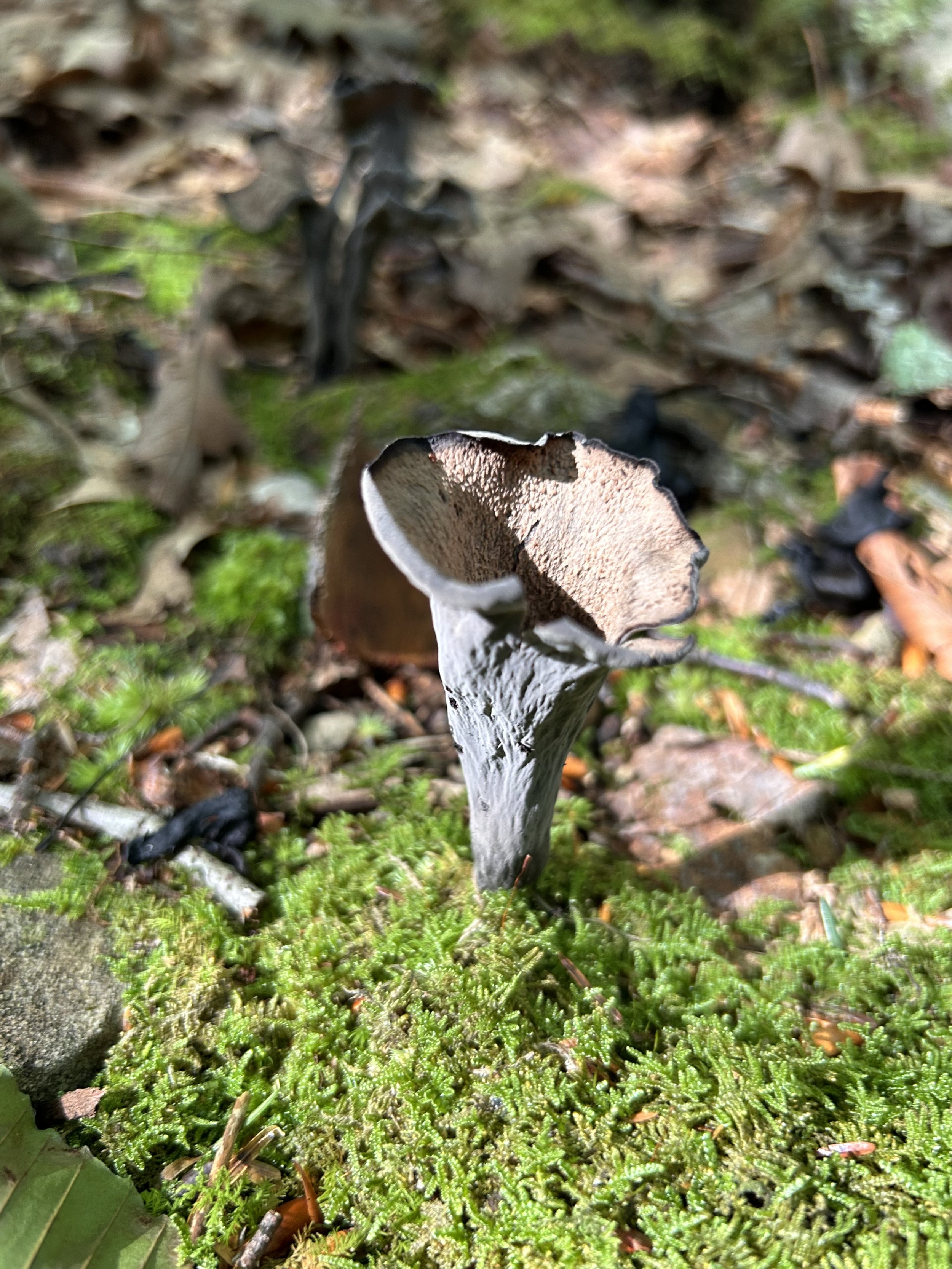
This is the Monday Section of the Mycoforestry Design course covering the essential knowledge for integrating mycorrhizal fungi into forest, farm, and production design frameworks. While Arbuscular and Ericoid mycorrhizal ecology is covered, this course is geared towards integrating Ectomycorrhizal fungi that are high value culinary species into other enterprises.
This course will meet online from 7 pm - 9 pm ET in May.
The link for the course meetings will be emailed at least one week before the course starts.
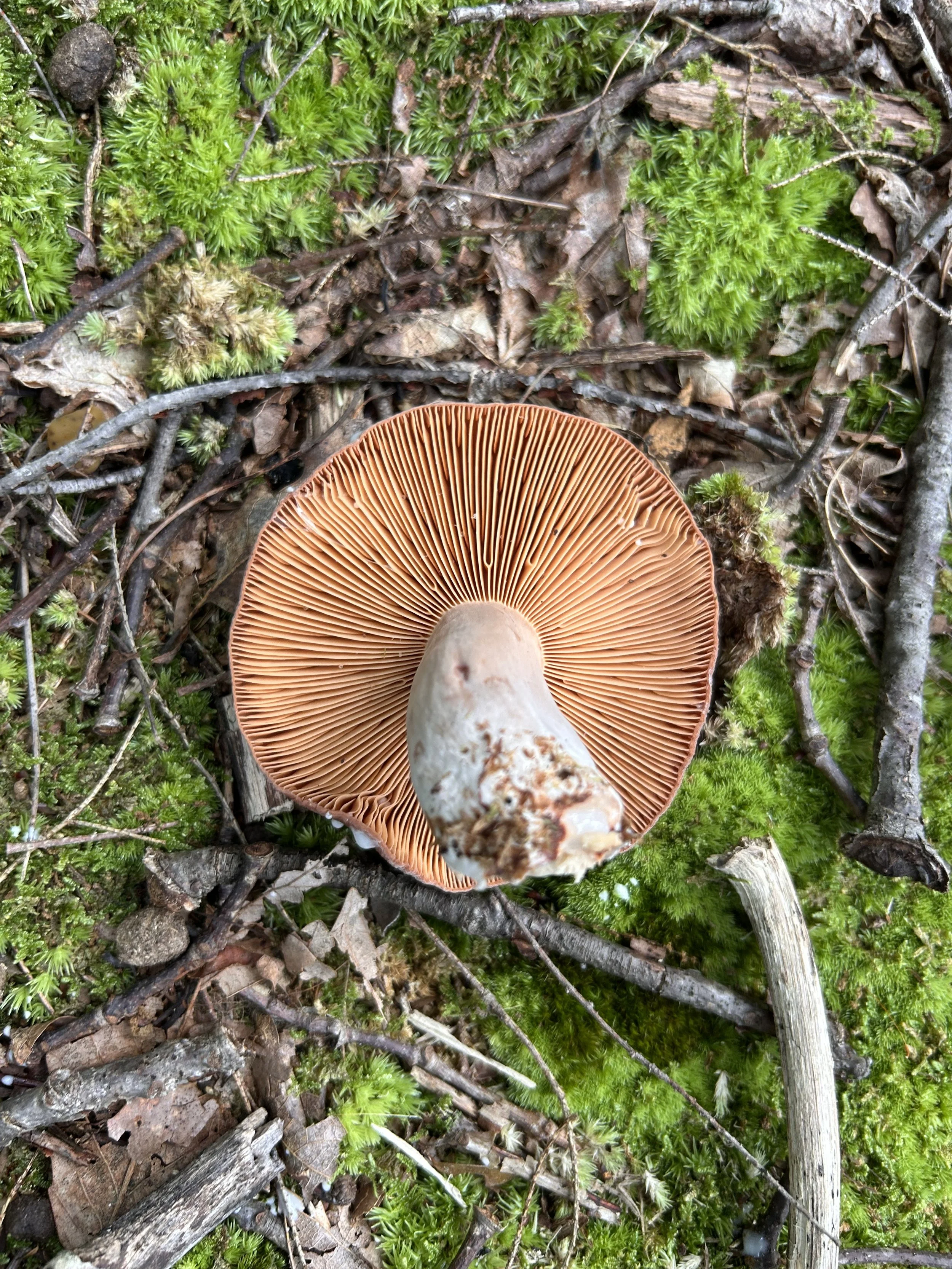
This is the Wednesday Section of the Mycoforestry Design course covering the essential knowledge for integrating mycorrhizal fungi into forest, farm, and production design frameworks. While Arbuscular and Ericoid mycorrhizal ecology is covered, this course is geared towards integrating Ectomycorrhizal fungi that are high value culinary species into other enterprises.
This course will meet online from 7 pm - 9 pm ET in May.
The link for the course meetings will be emailed at least one week before the course starts.
Mycorrhization Quality Control Testing
State of the art mycorrhization analysis. Standard metrics for each sample include:
Total Mycorrhization Rate
Target Species Mycorrhization Rate
Contamination Rate
Potential Pathogens
Most mycorrhization screening can target only a limited number of species, and identify only a limited number of potential contaminants at a time. Using state of the art molecular and microscopy techniques, I provide mycorrhization rate, and identify all fungal species in the sample, including contaminants and pathogens that may be present.
No other screening service offers this comprehensive data.
This is especially important if you are
Concerned about contaminant taxa in your orchard
Establishing mycorrhization with non-standard truffles (for example, newly described species)
Establishing mycorrhization for non-truffle species (for example, porcini)
Monitoring mycorrhization in newly established nursery systems
Sample Submission Guidelines
I recommend to submitting 5 % of new planting stock, or at least 5 seedlings per planting to ensure representativeness
If you are submitting soil samples from an existing orchard, follow the sampling instructions in this video. Otherwise, follow these steps:
Cut the stem of the plant at the surface of the soil to remove excess biomass.
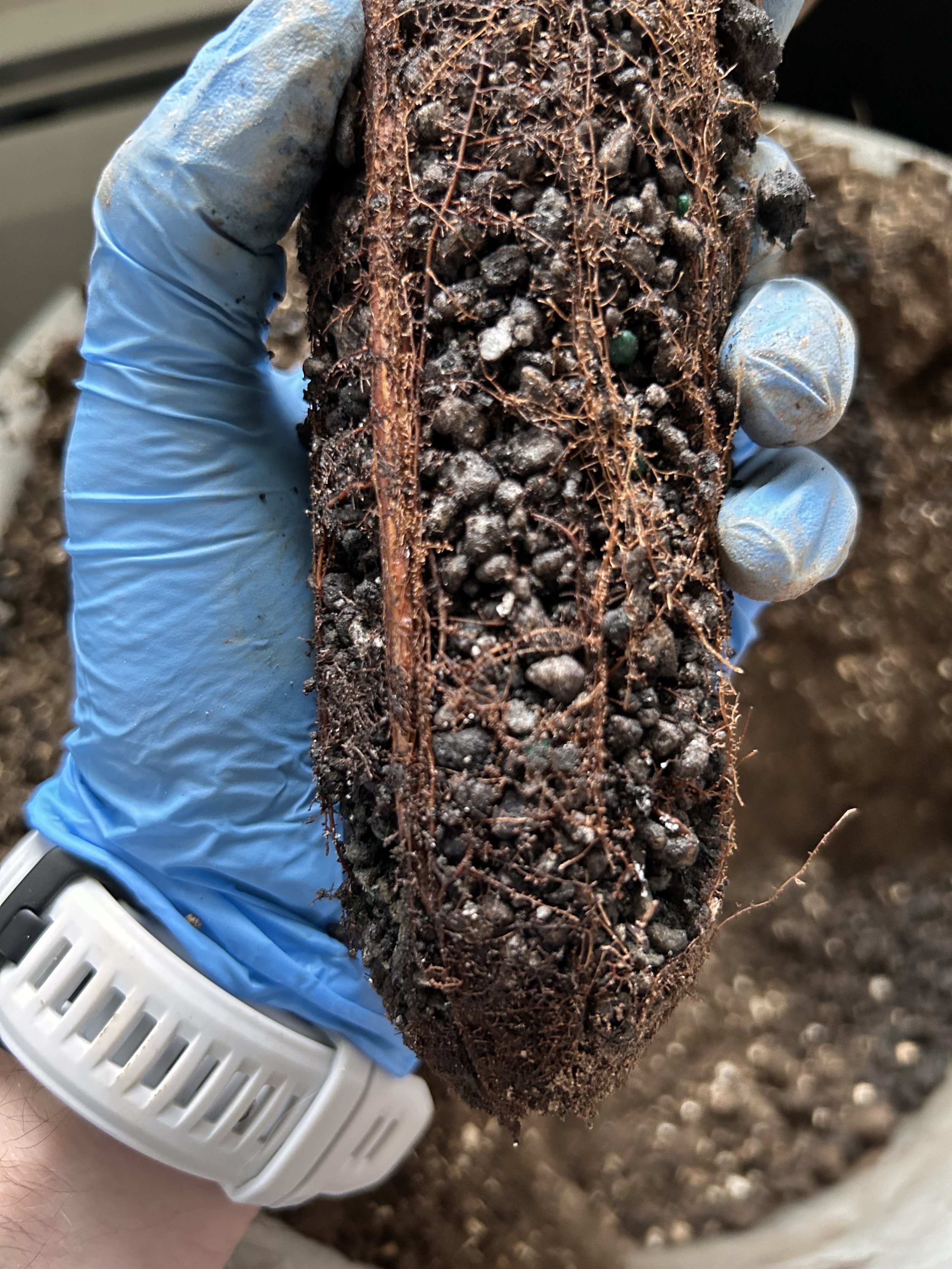
Place the root ball in a ziplock bag.
Ship samples using 1-2 day shipping.
Your confirmation email will include an invoice number, and the shipping address. Label your samples with the invoice number for lab tracking.
EXCLUSIONS:
No samples are currently accepted from USDA regulated counties. Check if you are in a regulated county here.
The most advanced mycorrhization screening service on the market.
Contact Me
Interested in working together? Fill out some info and we will be in touch shortly. We can’t wait to hear from you!