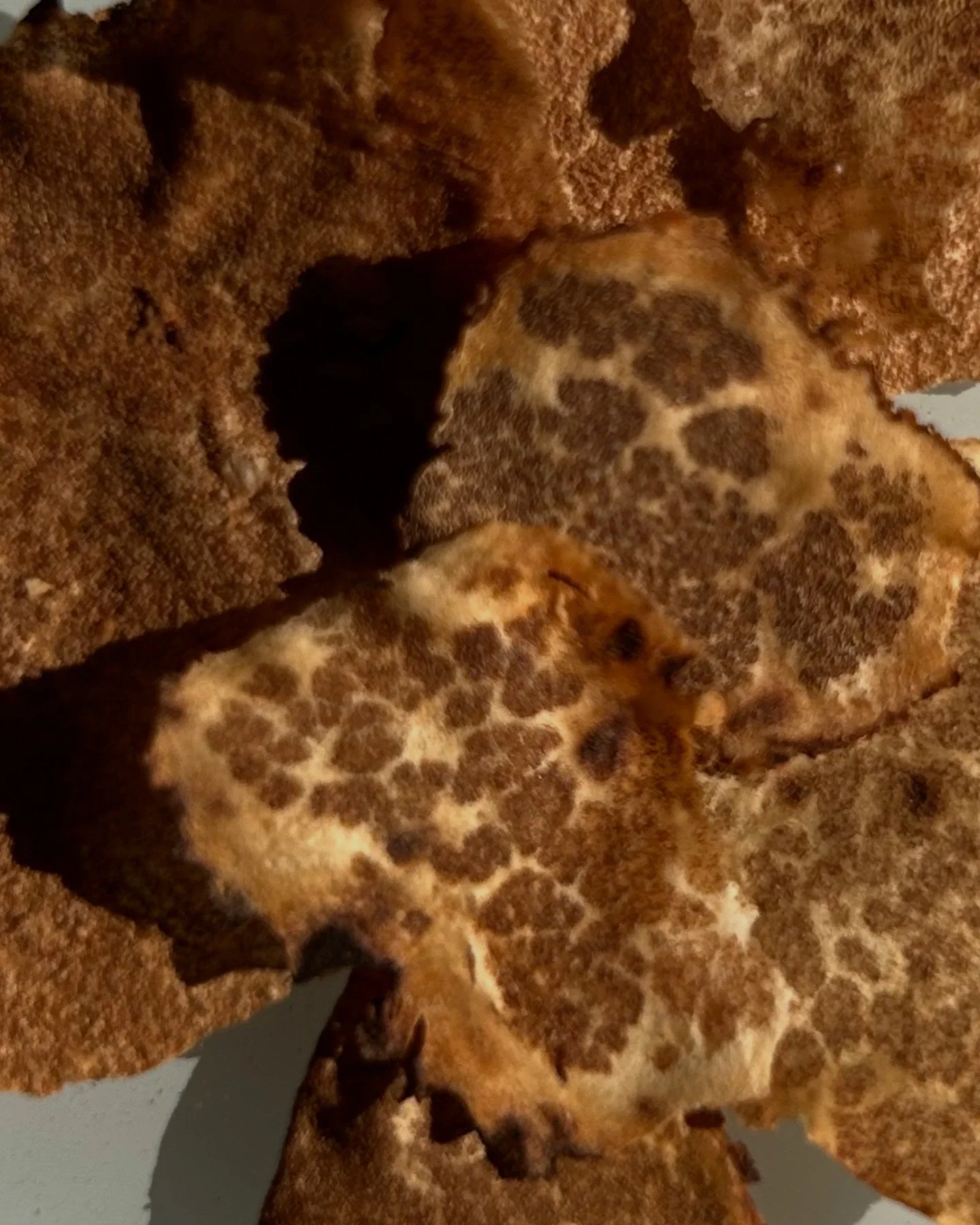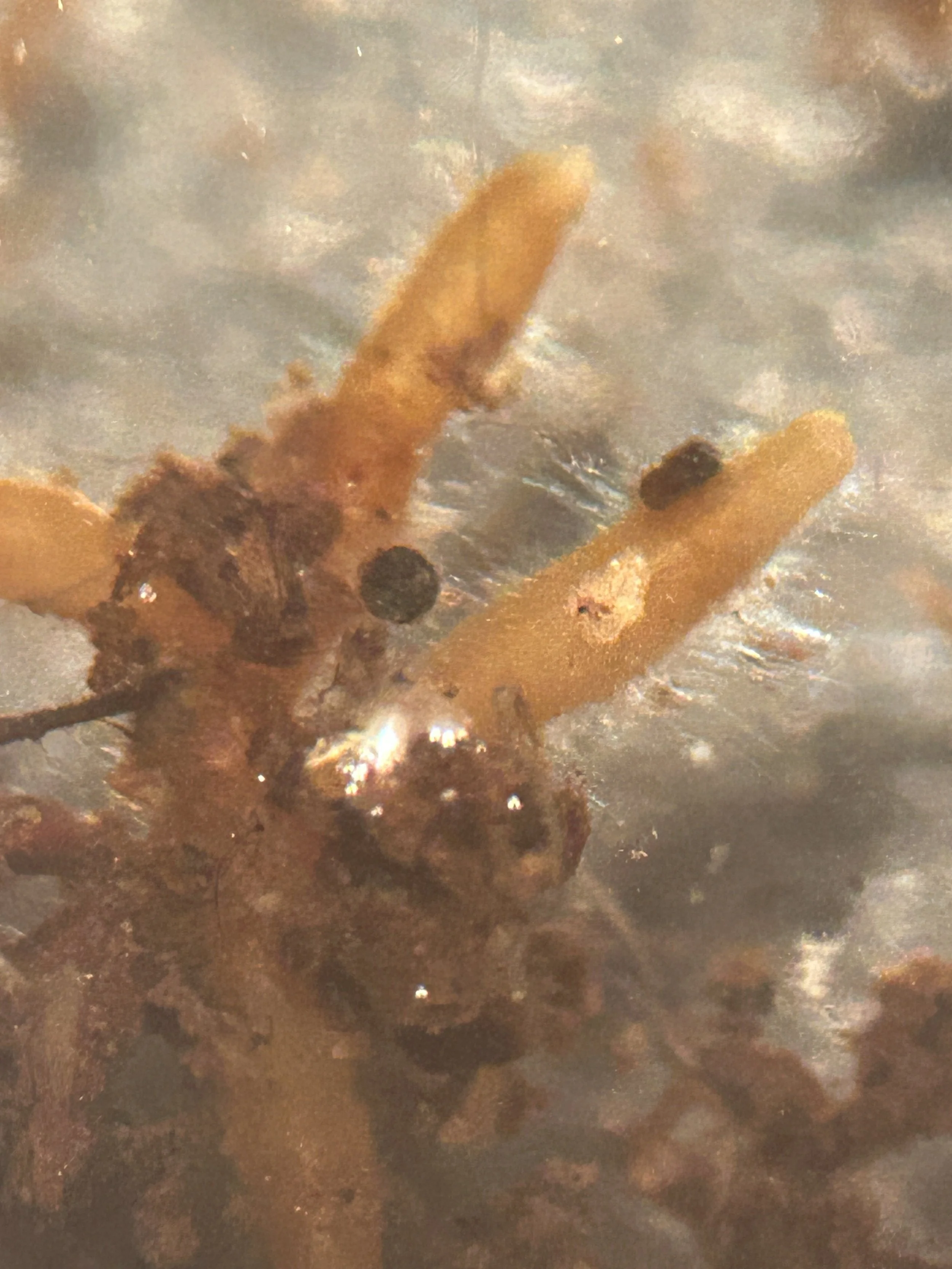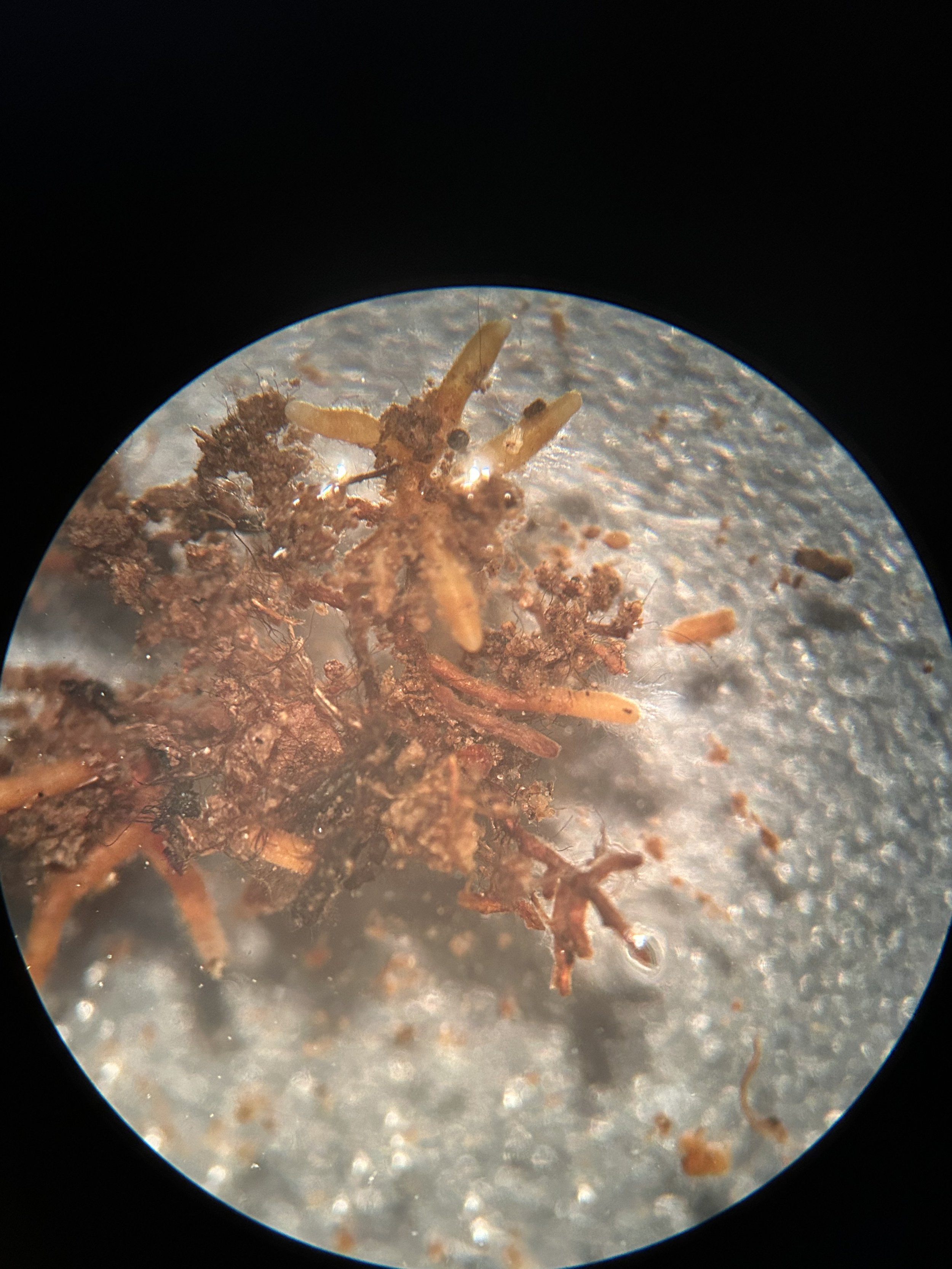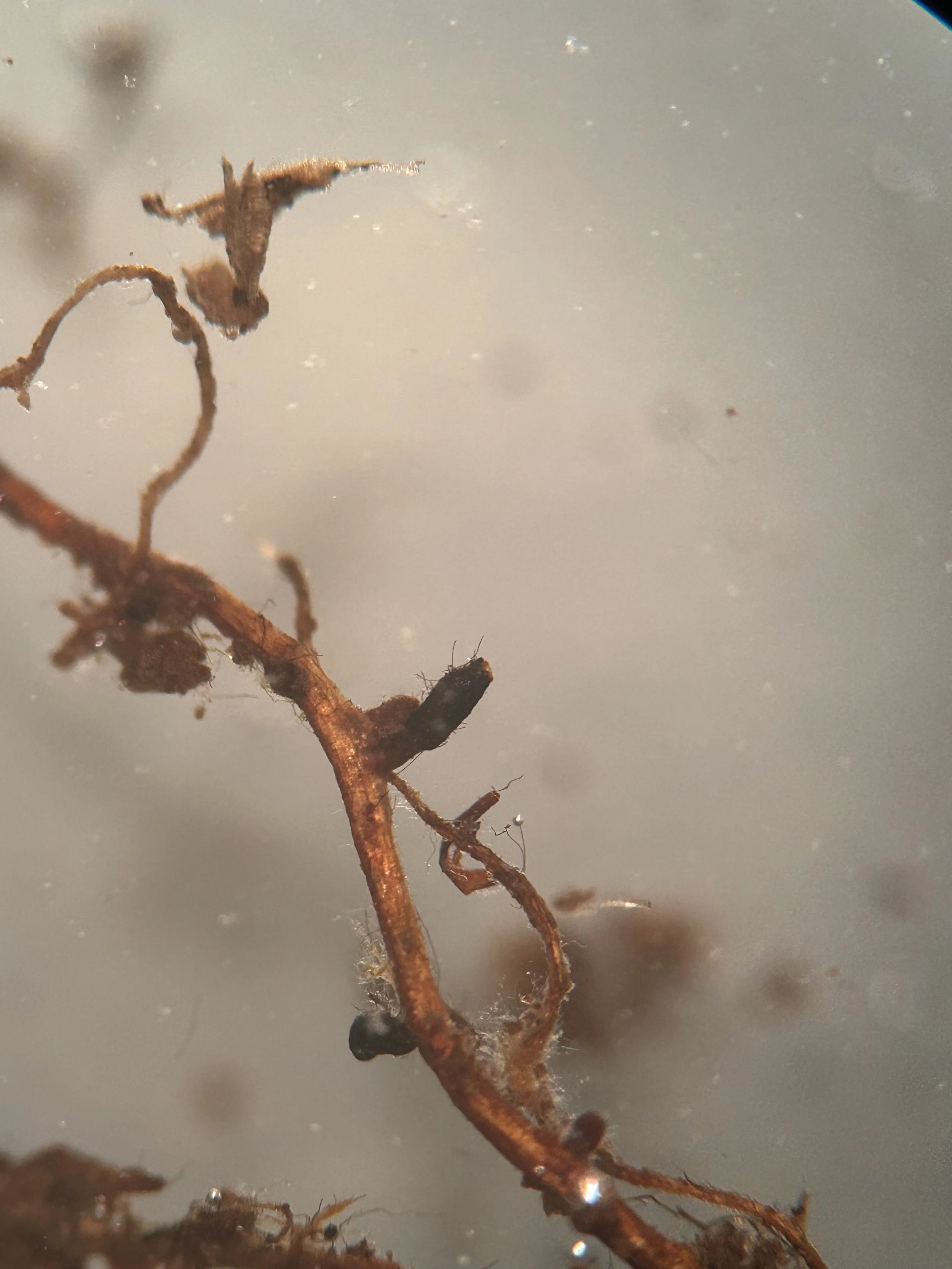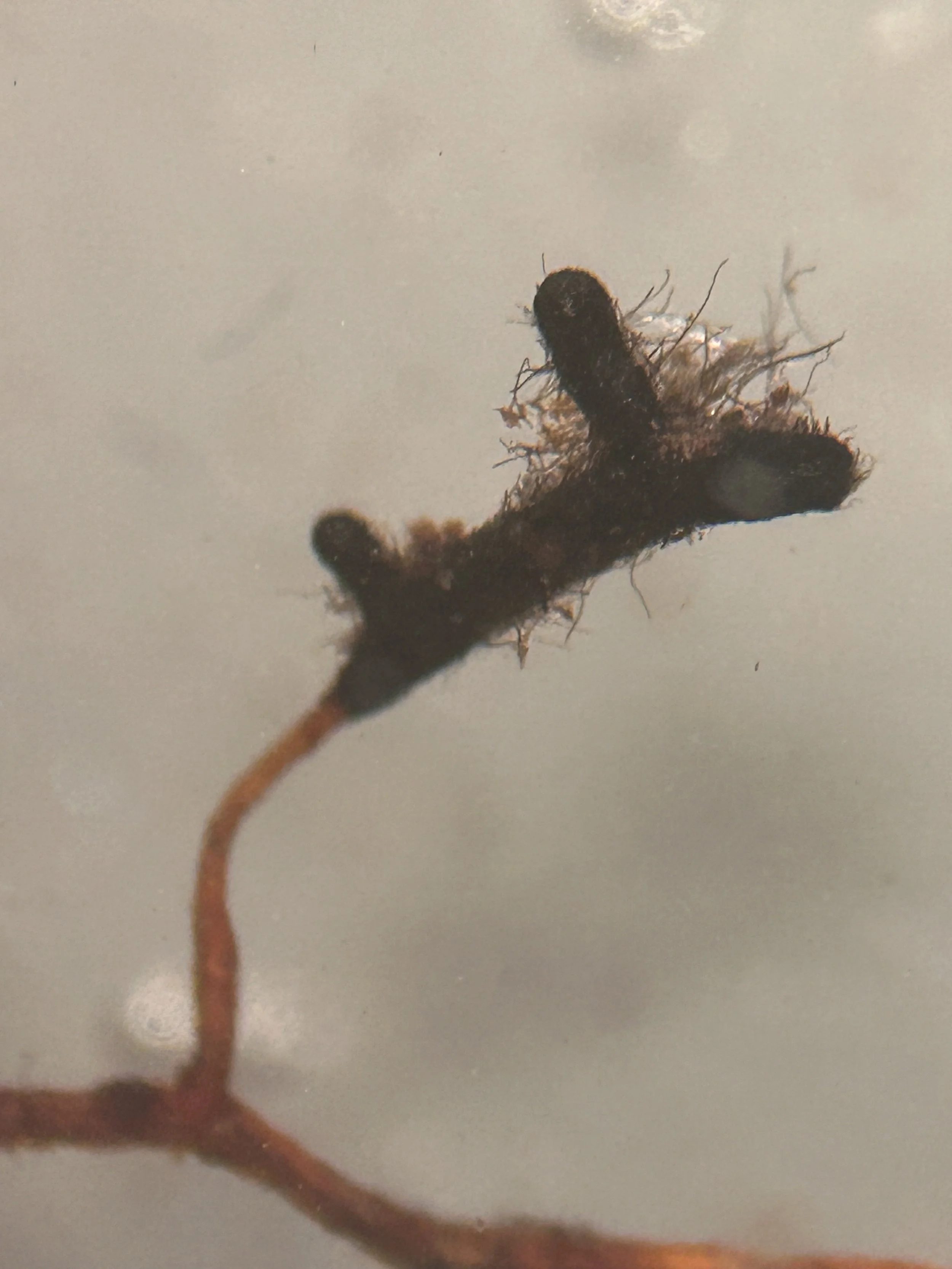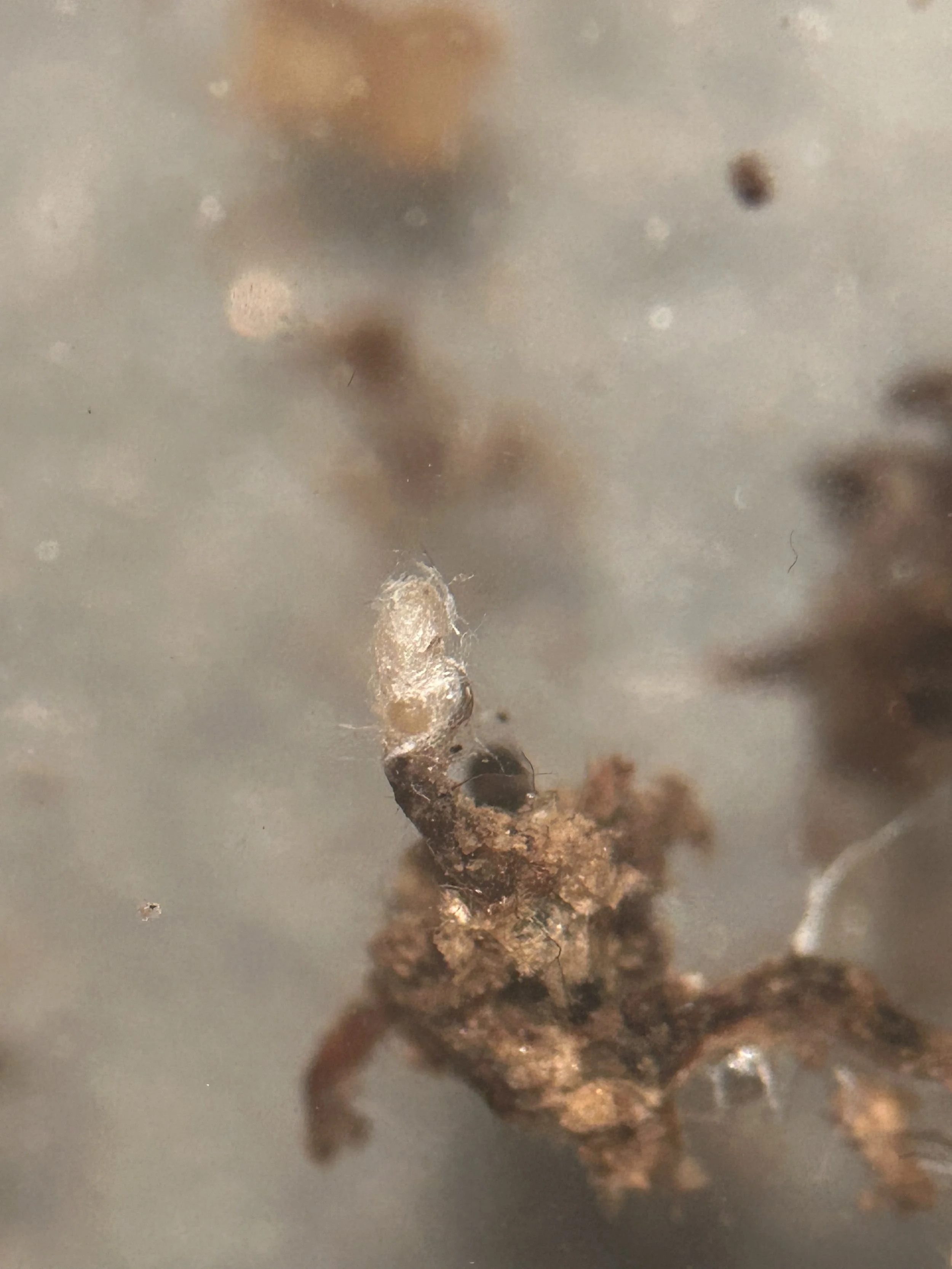
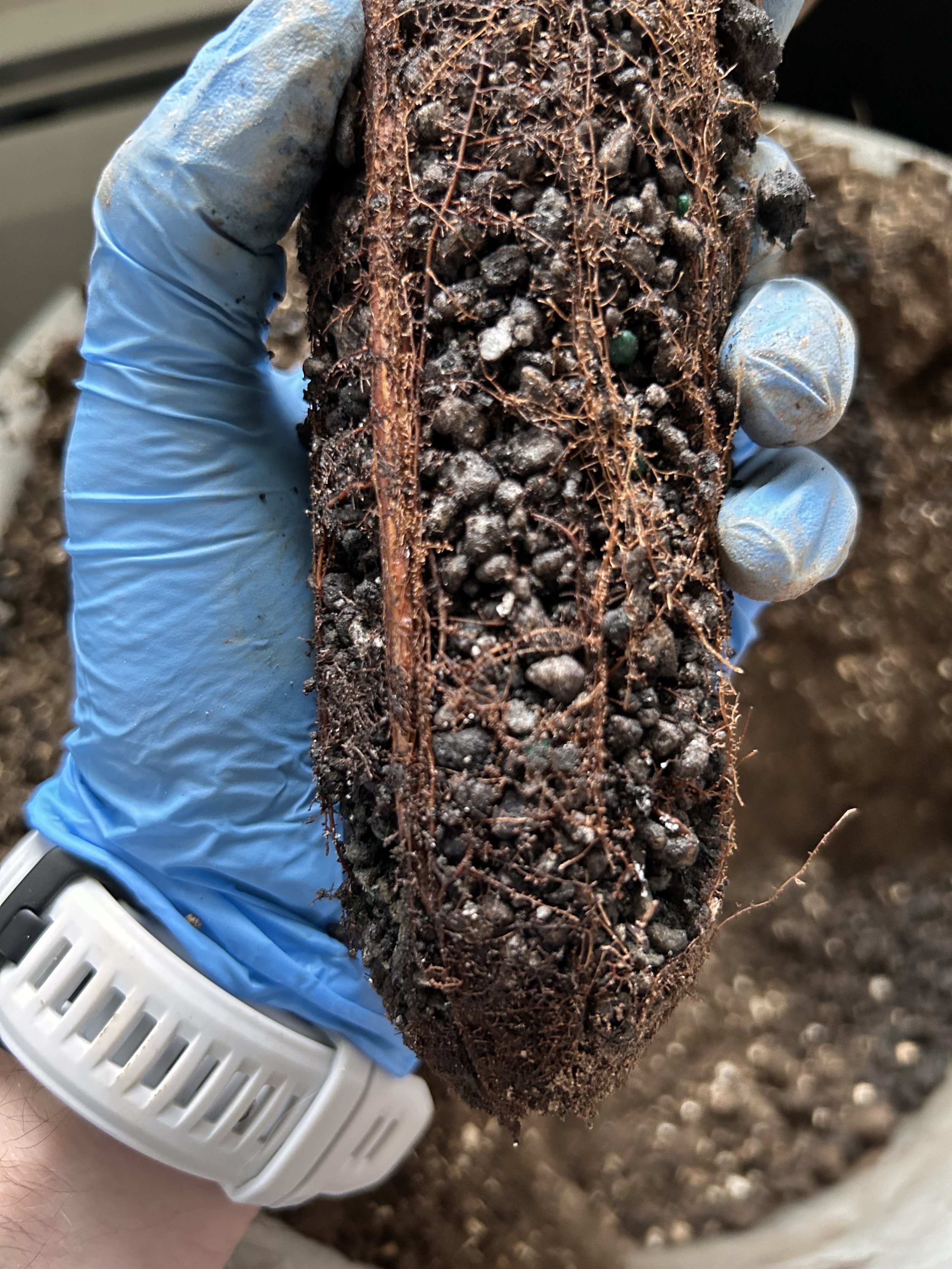
What’s on your root?
Fungi are all around us.
It’s time we got to know them better!
I offer a range of services:
Detection and identification of fungi from households, soil, or root samples
Truffle Species ID
Evaluating colonization rate for beneficial root fungi on seedlings
Identification and evaluation of sources of mycorrhizal inoculum
Bulk soil analysis and mapping
Don’t see what you need in the store? Send me a message using the form at the bottom of the page! I’m here to help you.
DO NOT SEND SOIL FROM THESE COUNTIES
Refer to this map.
If your soils are in a quarantined county, we cannot accept soil or plant material at this time.
State of the art mycorrhization analysis. Standard metrics for each sample include:
Total Mycorrhization Rate
Target Species Mycorrhization Rate
Contamination Rate
Potential Pathogens
Most mycorrhization screening can target only a limited number of species, and identify only a limited number of potential contaminants at a time. Using state of the art molecular and microscopy techniques, I provide mycorrhization rate, and identify all fungal species in the sample, including contaminants and pathogens that may be present.
No other screening service offers this comprehensive data.
This is especially important if you are
Concerned about contaminant taxa in your orchard
Establishing mycorrhization with non-standard truffles (for example, newly described species)
Establishing mycorrhization for non-truffle species (for example, porcini)
Monitoring mycorrhization in newly established nursery systems
Sample Submission Guidelines
I recommend to submitting 5 % of new planting stock, or at least 5 seedlings per planting to ensure representativeness
If you are submitting soil samples from an existing orchard, follow the sampling instructions in this video. Otherwise, follow these steps:
Cut the stem of the plant at the surface of the soil to remove excess biomass.
Place the root ball in a ziplock bag.
Ship samples using 1-2 day shipping.
Your confirmation email will include an invoice number, and the shipping address. Label your samples with the invoice number for lab tracking.
EXCLUSIONS:
No samples are currently accepted from USDA regulated counties. Check if you are in a regulated county here.
Fast molecular test to confirm the identity of your truffle species.
This rapid screening is ideal if you are very confident already in the identity of the truffle, and you just need to be 100% certain.
My Lab Services:
State of the art mycorrhization analysis. Standard metrics for each sample include:
Total Mycorrhization Rate
Target Species Mycorrhization Rate
Contamination Rate
Potential Pathogens
Most mycorrhization screening can target only a limited number of species, and identify only a limited number of potential contaminants at a time. Using state of the art molecular and microscopy techniques, I provide mycorrhization rate, and identify all fungal species in the sample, including contaminants and pathogens that may be present.
No other screening service offers this comprehensive data.
This is especially important if you are
Concerned about contaminant taxa in your orchard
Establishing mycorrhization with non-standard truffles (for example, newly described species)
Establishing mycorrhization for non-truffle species (for example, porcini)
Monitoring mycorrhization in newly established nursery systems
Sample Submission Guidelines
I recommend to submitting 5 % of new planting stock, or at least 5 seedlings per planting to ensure representativeness
If you are submitting soil samples from an existing orchard, follow the sampling instructions in this video. Otherwise, follow these steps:
Cut the stem of the plant at the surface of the soil to remove excess biomass.
Place the root ball in a ziplock bag.
Ship samples using 1-2 day shipping.
Your confirmation email will include an invoice number, and the shipping address. Label your samples with the invoice number for lab tracking.
EXCLUSIONS:
No samples are currently accepted from USDA regulated counties. Check if you are in a regulated county here.
Popular
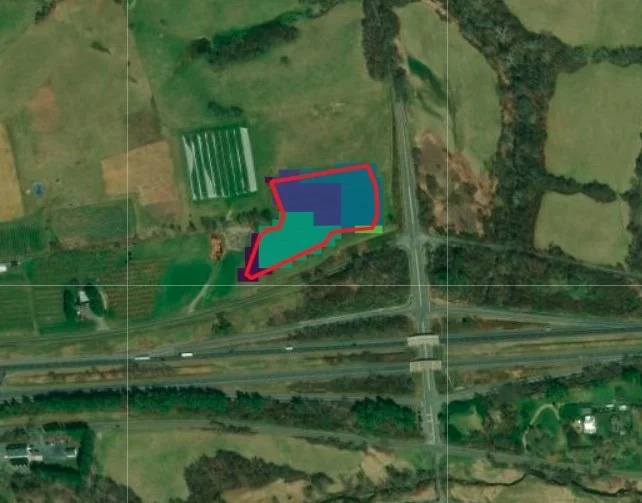
Need to do a field survey of your mycorrhizal fungi? I have you covered.
The mobile root lab is a state of the art lab, designed by Dietrich based on over a decade experience using sequencing technology to understand soil fungi.
The field day comes with a custom sampling design, tailoring sampling to your specific field conditions in order to create a detailed map of fungal abundance, diversity, and productivity. This analysis comes with unlimited microscopy and imaging, and up to 24 samples for sequencing. Additional sample bundles can be added on later.
Reach out for special circumstances (educational, or bundled group rates).
This service includes 24 DNA samples for QPCR and DNA sequencing analyses.
Identify unknown species with confidence using DNA barcoding.
Shave a section of the mushroom from it’s surface. It should be at least the size of a dime. Air dry the sample for 24-48 hours. If you are submitting multiple samples, make sure you label and track the samples individually.
Fill out the data sheet, and send one copy of the data sheet with the sample. You should keep a copy for your records.
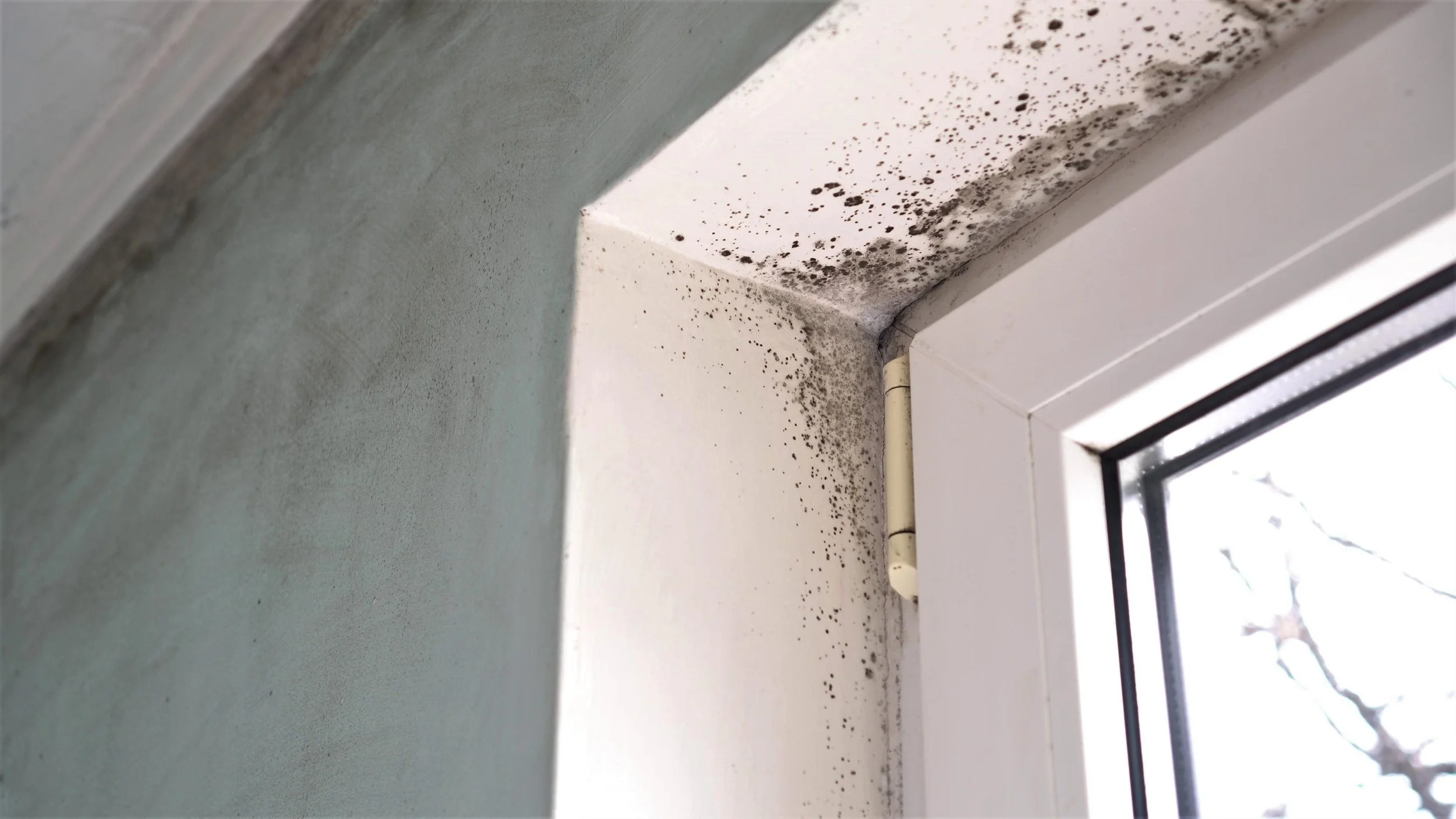
Mold and fungi could be affecting your indoor air quality, and most home test kits can't tell you which species are actually there. I built this test using the same DNA sequencing methods I use to identify fungi in soil and orchard samples — so instead of a vague "mold present / not present" result, you get a precise species-level ID and a report you can actually act on.
How it works
1. I send you a sampling kit with 2 swabs and a return mailer.
2. Wipe dust-collecting surfaces around your home with the swabs.
3. Mail the swabs back to me.
4. I personally process and read every sample, then send your results by email — usually within 10.
Here is a sample of the report you will receive once the data is analyzed.
Who's reading your sample
My name’s Dietrich, I’m a molecular ecologist and geneticist with over a decade of experience using DNA sequencing to identify fungi, from a wide range of environments including soils in farm fields, forests, from skin microbiome samples, and home dust samples. I do each analysis and write the report myself. If something in your results needs a closer look, I'm the person you'll hear from.
What you get
- Precise genomics based identification of every fungus detected — not just "mold present"
- Callouts on species known to produce mycotoxins
- Management recommendations based on what's actually in your home
- Direct, personal follow-up by email if you have questions about your results — no extra charge
A couple of things worth knowing before you order
No home is completely free of fungi, and everyone reacts differently. This test is sensitive enough to detect fungi if they're present — but finding fungi doesn't automatically mean you have a problem. We live surrounded by mold and fungi every day, and in some contexts (forests, for instance) that's actually a good thing.
That said, some species release mycotoxins and are more likely to cause symptoms in sensitive people. I flag those specifically in your report. If you're dealing with allergies, this test is also useful for narrowing down the list of likely triggers ahead of allergy testing.
One limitation worth being upfront about: this test doesn't measure spore density, which can change day-to-day. The goal is to identify everything present so we can catch potential triggers — not to give a single point-in-time spore count.
This is an environmental screening tool, not a medical diagnosis. If you have health symptoms you're concerned about, please also talk to a doctor — I'm glad to help you interpret your results alongside that conversation.
Why this instead of a drugstore kit or a full inspection?
Drugstore kits typically tell you mold is present without telling you what kind — and that distinction matters, since some species are far more concerning than others. A professional inspection can run $300–$1,000+, and you may not get ongoing access to the person who actually analyzed your sample. With this test, you get lab-grade species identification and direct access to me if you have questions, often at a fraction of an inspector's cost.
FAQ
How long does it take to get results?
Results typically arrive within 10-15 business days of us receiving your samples.
What's included in the kit?
2 swabs, sampling instructions, and a postage-paid mailer.
Do I need to pay for return shipping?
No. The kit includes prepaid mailer to return the sample in.
What if you find something concerning?
I'll flag any mycotoxin-producing species clearly in your report, and you're welcome to email me directly to talk through what it means and what to do next.
Is this a medical test?
No — this identifies fungi in your environment. It's not a substitute for medical testing or diagnosis. If you have health concerns, talk to your doctor; I'm happy to help you understand your results in the meantime.
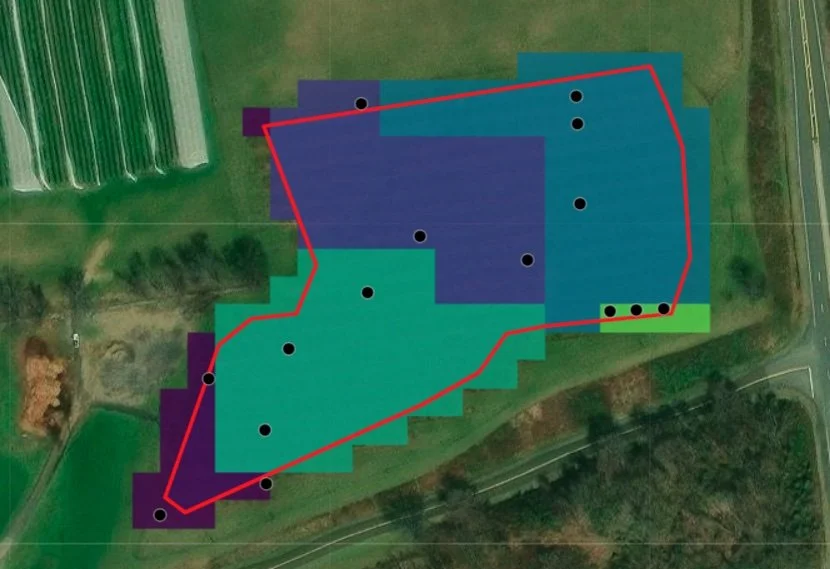
Orchard Monitoring, Mapping, and Management
With more than a decade of experience in ecological genomics and soil microbiology, I unlock mycorrhizal ecology for your orchard.
Tailor your mycorrhizal monitoring and management plan:
Soil Type Analysis
Soil Chemistry
Genomics
Production constraints
I tailor each sampling plan to my customer’s needs.
I offer free screening calls to explore project fit.