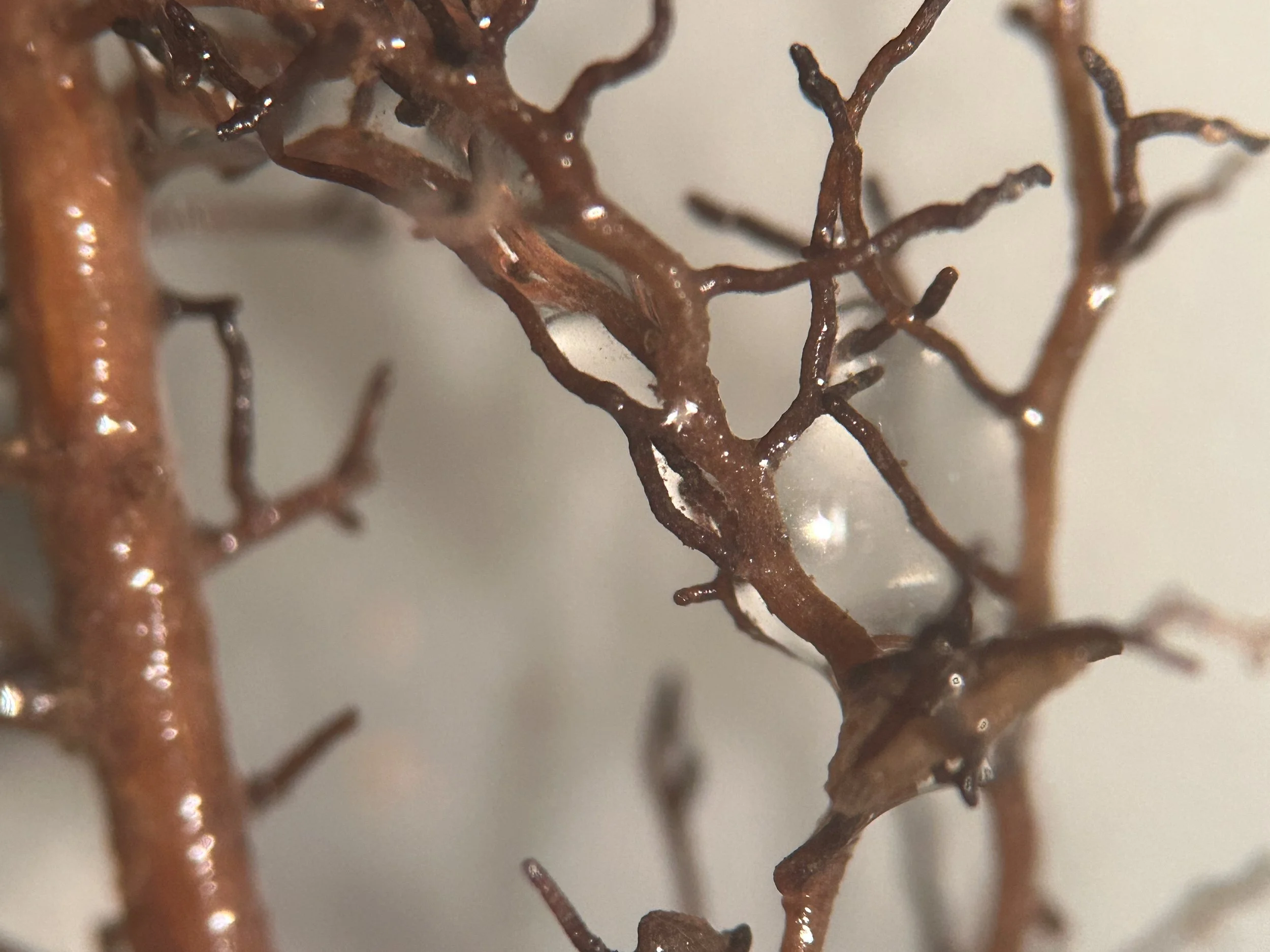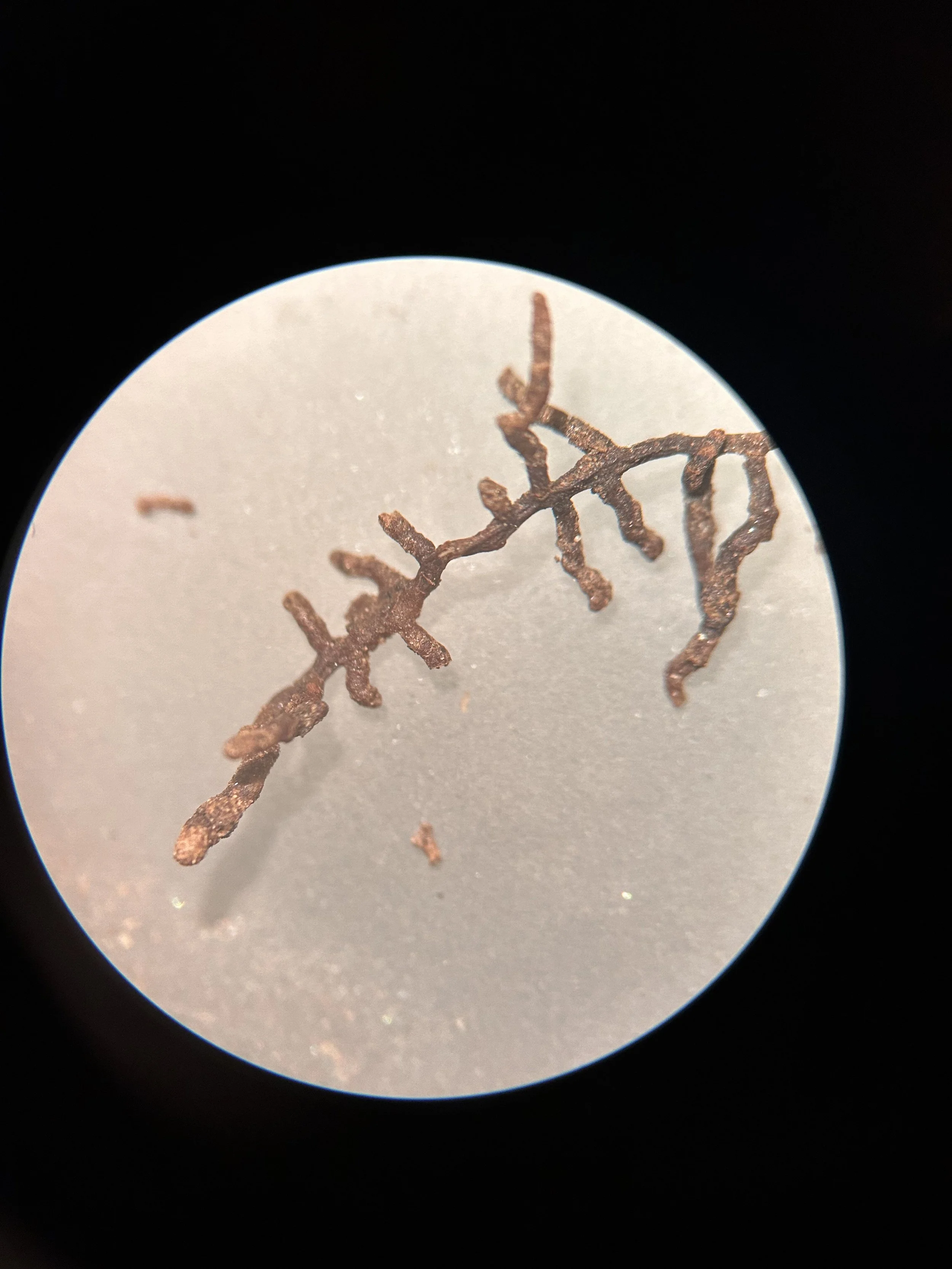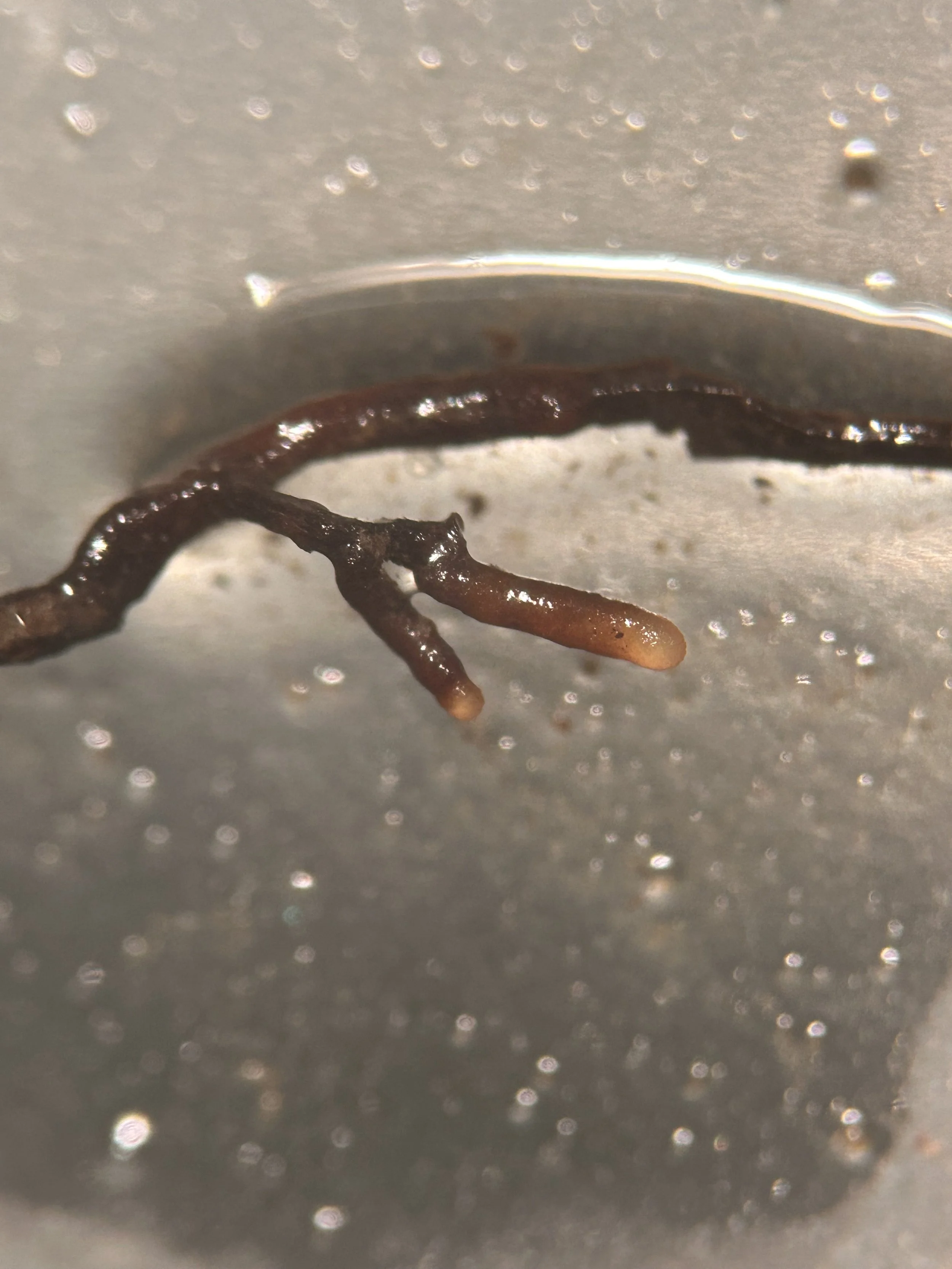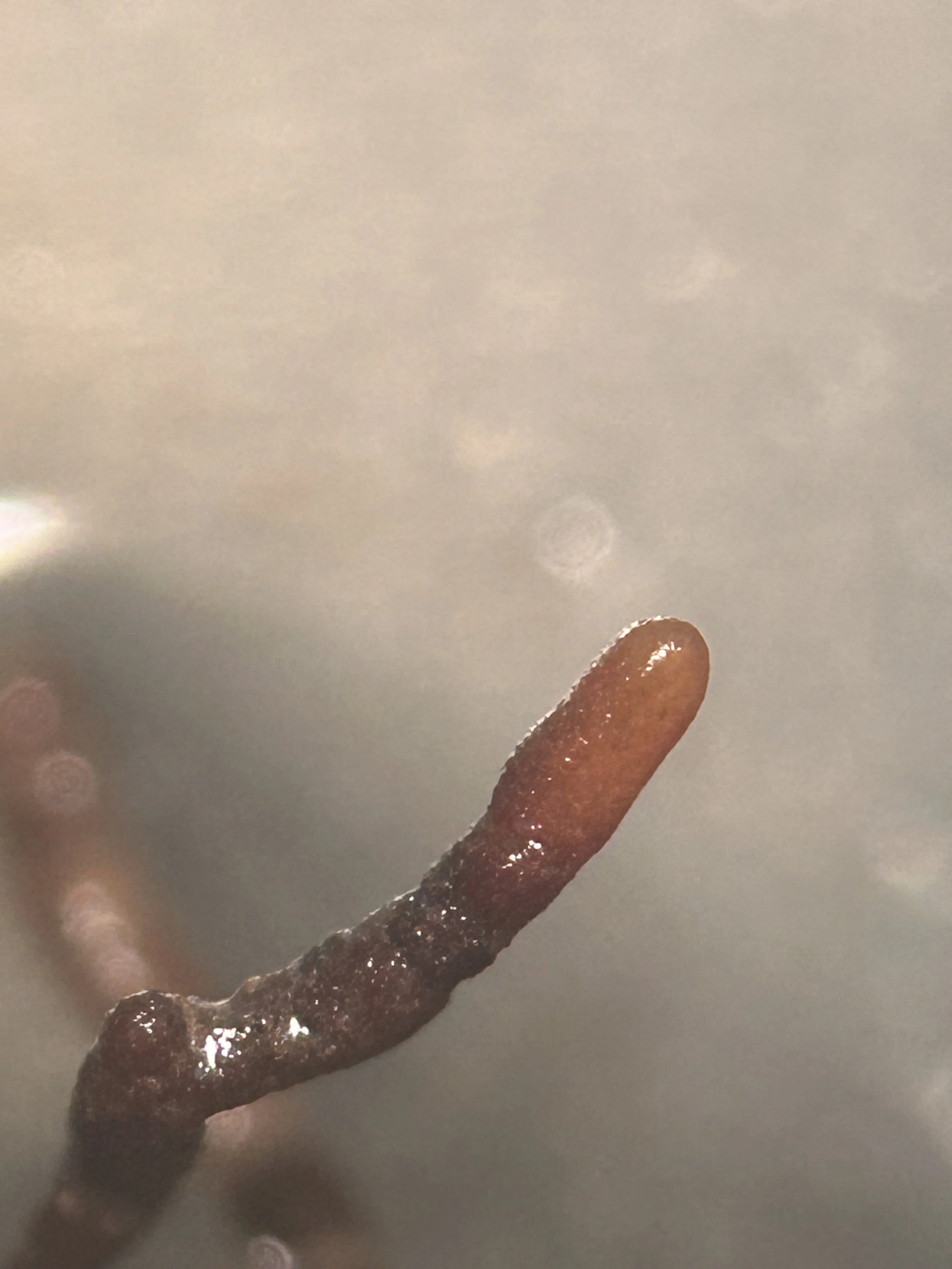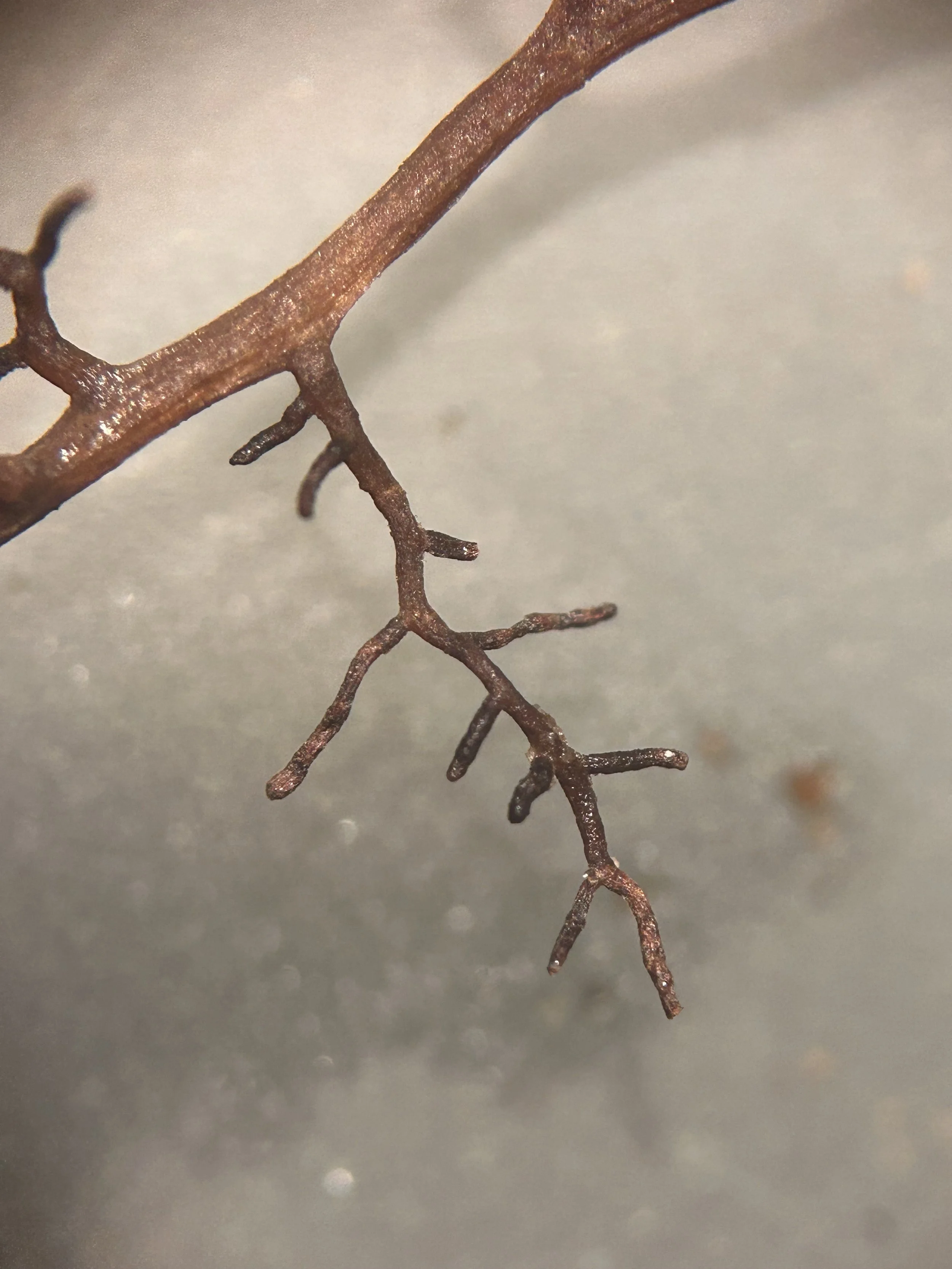
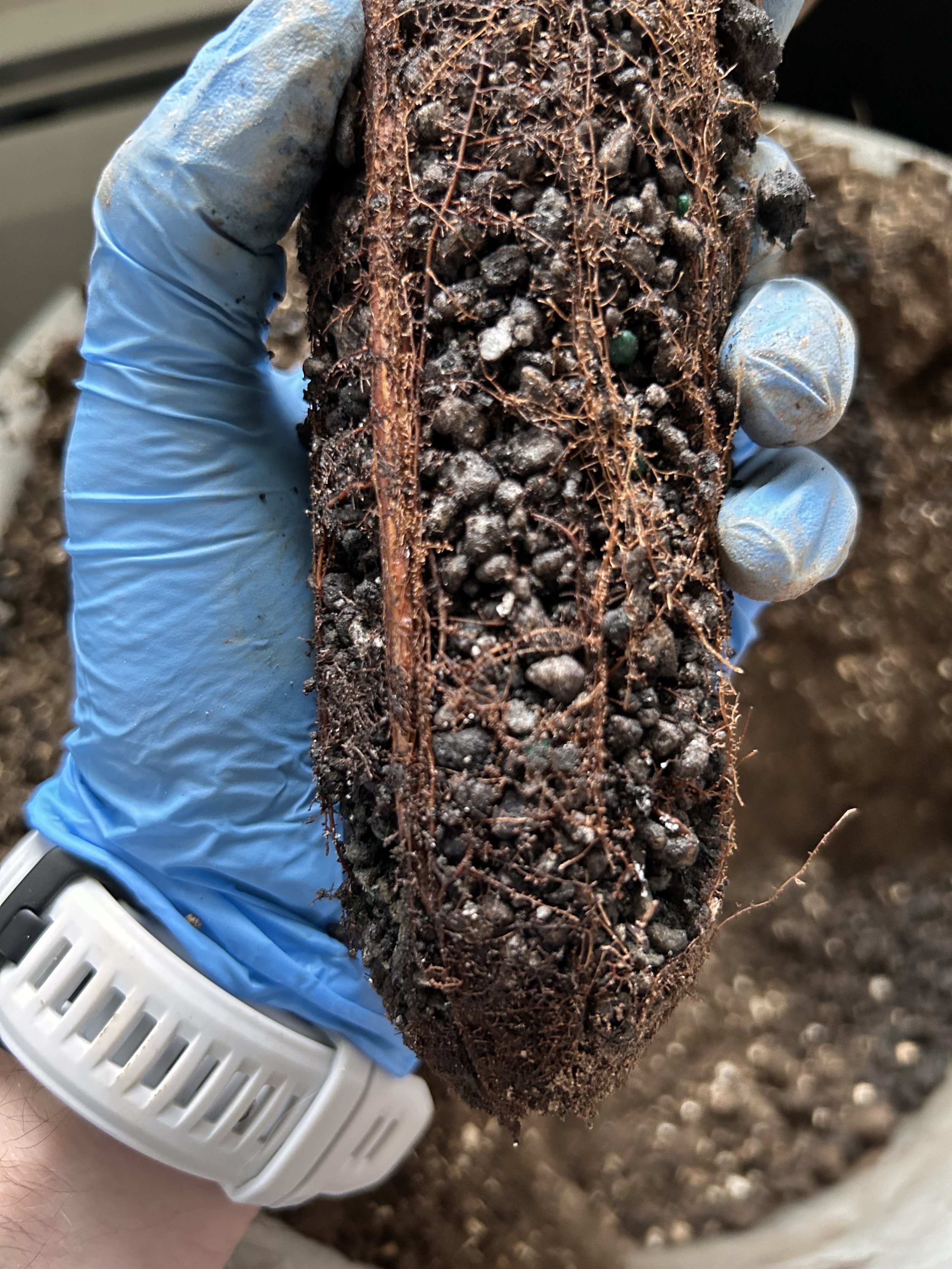
What’s on your root?

You are told to expect anywhere from 10% to 60% increase in growth by applying biologicals to your crop.
Yet scientists recently showed that most commercially available sources are not viable. If you are like most growers, you don’t have the ability to check if you are getting what you paid for.
I’m changing that.
With over a decade of experience studying soil microbiomes, I started SporeSeq Lab to give everyday growers access to state of the art microbiome QA/QC.
Beneficial microbes are real, and offer real benefits. But only if they are actually present and alive. My lab is the only lab specifically dedicated to independent quality assurance for root microbes.
I work for you, not the nursery.


Not sure where to start?
I offer a range of services:
Fungal Species ID
Evaluating colonization rate for beneficial root fungi on seedlings
Identification and evaluation of sources of inoculum
Bulk soil analysis and mapping
Don’t see what you need in the store? Send me a message using the form at the bottom of the page! I’m here to help you.
DO NOT SEND SOIL FROM THESE COUNTIES
Refer to this map.
If your soils are in a quarantined county, we cannot accept soil or plant material at this time.
State of the art mycorrhization analysis. Standard metrics for each sample include:
Total Mycorrhization Rate
Target Species Mycorrhization Rate
Contamination Rate
Potential Pathogens
Most mycorrhization screening can target only a limited number of species, and identify only a limited number of potential contaminants at a time. Using state of the art molecular and microscopy techniques, I provide mycorrhization rate, and identify all fungal species in the sample, including contaminants and pathogens that may be present.
No other screening service offers this comprehensive data.
This is especially important if you are
Concerned about contaminant taxa in your orchard
Establishing mycorrhization with non-standard truffles (for example, newly described species)
Establishing mycorrhization for non-truffle species (for example, porcini)
Monitoring mycorrhization in newly established nursery systems
Sample Submission Guidelines
I recommend to submitting 5 % of new planting stock, or at least 5 seedlings per planting to ensure representativeness
If you are submitting soil samples from an existing orchard, follow the sampling instructions in this video. Otherwise, follow these steps:
Cut the stem of the plant at the surface of the soil to remove excess biomass.
Place the root ball in a ziplock bag.
Ship samples using 1-2 day shipping.
Your confirmation email will include an invoice number, and the shipping address. Label your samples with the invoice number for lab tracking.
EXCLUSIONS:
No samples are currently accepted from USDA regulated counties. Check if you are in a regulated county here.
My Lab Services:
State of the art mycorrhization analysis. Standard metrics for each sample include:
Total Mycorrhization Rate
Target Species Mycorrhization Rate
Contamination Rate
Potential Pathogens
Most mycorrhization screening can target only a limited number of species, and identify only a limited number of potential contaminants at a time. Using state of the art molecular and microscopy techniques, I provide mycorrhization rate, and identify all fungal species in the sample, including contaminants and pathogens that may be present.
No other screening service offers this comprehensive data.
This is especially important if you are
Concerned about contaminant taxa in your orchard
Establishing mycorrhization with non-standard truffles (for example, newly described species)
Establishing mycorrhization for non-truffle species (for example, porcini)
Monitoring mycorrhization in newly established nursery systems
Sample Submission Guidelines
I recommend to submitting 5 % of new planting stock, or at least 5 seedlings per planting to ensure representativeness
If you are submitting soil samples from an existing orchard, follow the sampling instructions in this video. Otherwise, follow these steps:
Cut the stem of the plant at the surface of the soil to remove excess biomass.
Place the root ball in a ziplock bag.
Ship samples using 1-2 day shipping.
Your confirmation email will include an invoice number, and the shipping address. Label your samples with the invoice number for lab tracking.
EXCLUSIONS:
No samples are currently accepted from USDA regulated counties. Check if you are in a regulated county here.
Popular
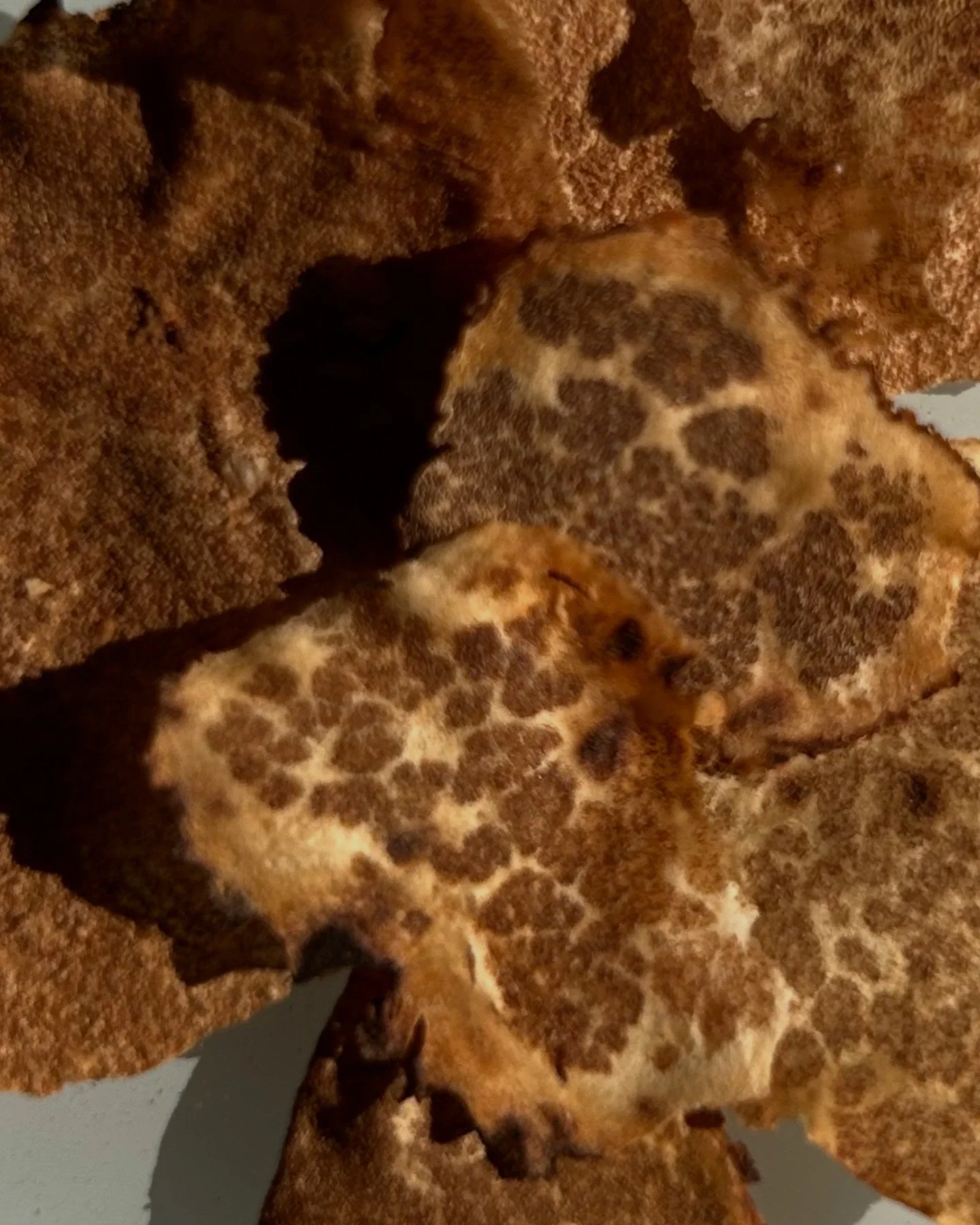
Identify unknown species with confidence using DNA barcoding.
Shave a section of the mushroom from it’s surface. It should be at least the size of a dime. Air dry the sample for 24-48 hours. If you are submitting multiple samples, make sure you label and track the samples individually.
Fill out the data sheet, and send one copy of the data sheet with the sample. You should keep a copy for your records.
MYCORRHIZATION CONSULTING SERVICES
With more than a decade of experience in ecological genomics and soil microbiology, I unlock mycorrhizal ecology for you.
Whether your goal is to:
Establish mycorrhization in a nursery or conservation planting
Work mycorrhization into a carbon project
Monitor mycorrhizal populations in an orchard
Or, simply need a technical expert as backup
I’m here to help!
I offer free screening calls to explore project fit.